
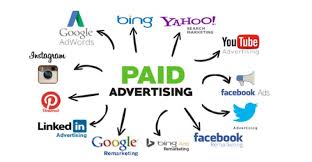
In today’s digital-first world, grabbing the attention of your ideal audience can be tough — especially with countless brands competing for the same space. This is where paid advertising on Google Ads proves to be a game-changer. Google Ads, formerly known as Google AdWords, offers one of the most powerful platforms to reach users right when they are searching for products or services you offer. But to make the most of it, you must understand how it works — especially the different types of paid advertising available.
In this blog, we’ll break down how paid advertising on Google Ads works, explore the types of paid advertising you can use, and share tips for running successful campaigns that convert.
⸻
Why Choose Google Ads?
With billions of daily searches, Google is the most visited website on the internet. Advertising on this platform means you can place your brand in front of a highly targeted audience that is actively looking for what you provide. Whether you’re a small business trying to build brand awareness or a large company seeking higher conversion rates, Google Ads can help achieve those goals effectively and measurably.
One of the biggest advantages of paid advertising on Google Ads is that you can control your budget, audience targeting, and message — all while measuring performance in real-time.

⸻
Understanding the Types of Paid Advertising on Google Ads
Before diving into campaign creation, it’s important to understand the types of paid advertising that Google Ads supports. Each type serves a unique purpose and works best for different marketing objectives:
1. Search Ads
These are the text ads that appear at the top of Google search results. They are keyword-targeted and ideal for reaching users who are already searching for your product or service.
2. Display Ads
Display ads appear on the Google Display Network — a collection of websites, apps, and videos that accept Google ads. These ads are visual (image or rich media) and great for increasing brand awareness or retargeting.
3. Shopping Ads
Perfect for e-commerce businesses, shopping ads showcase product images, titles, prices, and store names directly in search results, helping users make quick purchasing decisions.
4. Video Ads
These appear on YouTube and other Google video partner sites. They are ideal for storytelling, product demonstrations, or brand-building.
5. App Promotion Ads
If you have a mobile app, Google Ads can help promote it across search, display, and YouTube networks, driving more installs and engagement.
6. Smart Campaigns
Designed for small businesses or beginners, Smart Campaigns automate the targeting, bidding, and ad creation process using machine learning.
7. Performance Max Campaigns
A newer campaign type that allows advertisers to access all of Google Ads inventory in a single campaign, including search, display, YouTube, Gmail, and more.
Each of these types of paid advertising has its strengths. Choosing the right mix depends on your goals, target audience, and budget.
⸻
Benefits of Paid Advertising on Google Ads
Now that you know the types of paid advertising offered by Google, let’s look at why businesses around the world rely on this platform:
• High Intent Audience: People searching on Google are often ready to buy — making them more likely to convert.
• Advanced Targeting Options: You can narrow your audience by location, language, device, interests, and more.
• Budget Control: Google Ads allows you to set daily or monthly caps, so you’ll never overspend.
• Measurable Results: Unlike traditional media, every click, impression, and conversion can be tracked and analyzed.
• Flexibility: You can start, pause, or edit your campaigns anytime, based on performance or seasonal trends.
With the right strategy and execution, paid advertising on Google Ads can become one of your most profitable marketing channels.
⸻
Tips to Maximize ROI on Google Ads
To truly make your ad spend work for you, consider the following best practices:
1. Use the Right Keywords
Conduct in-depth keyword research. Use both short-tail and long-tail keywords to target different stages of the buying journey.
2. Write Compelling Ad Copy
Your ad should speak directly to the user’s intent. Include a strong call-to-action and highlight what sets you apart.
3. Optimize Landing Pages
Sending traffic to an irrelevant or slow-loading page is a fast way to lose potential customers. Make sure your landing pages are aligned with your ads and optimized for conversion.
4. Set Clear Goals
Each campaign should have a defined objective — whether it’s generating leads, increasing website traffic, or boosting online sales.
5. Use A/B Testing
Test different versions of your ads to see what performs best. This includes headlines, descriptions, images, and CTAs.
6. Track Conversions
Set up conversion tracking in Google Ads and Google Analytics to see which campaigns are delivering results.
7. Leverage Retargeting
Show ads to users who previously visited your site. Retargeting is one of the most effective types of paid advertising for increasing conversions.
8. Monitor & Adjust Regularly
Don’t set it and forget it. Regularly analyze performance and make data-driven adjustments.
⸻
Final Thoughts
Paid advertising on Google Ads is a dynamic and powerful tool for reaching new customers and scaling your business. But to succeed, you need more than just a budget — you need strategy, testing, and a deep understanding of the types of paid advertising that work best for your specific goals.
Whether you’re aiming to generate leads, increase visibility, or drive sales, there’s a Google Ads solution for you. With the right planning and execution, your campaigns can yield impressive returns and become a cornerstone of your marketing success.
So, explore the various types of paid advertising, experiment with formats, and start making Google Ads work for your business today.